DTF and DTG are two of the most popular ways to print full-color designs on apparel — but they work very differently and shine in different situations. Here’s a clear, practical comparison so you can pick the right method (or use both).
Quick answer
DTF (Direct-to-Film) prints your design onto a film, coats it with adhesive powder, and heat-presses it onto almost any fabric — cotton, polyester, blends, nylon, bags, and more. DTG (Direct-to-Garment) prints ink straight into the fibers of the garment, like an inkjet for shirts, and works best on 100% cotton. If you need versatility across fabrics, stock transfers, and lower entry cost, DTF usually wins. If you want the softest possible hand on premium cotton tees, DTG is strong.
How each works
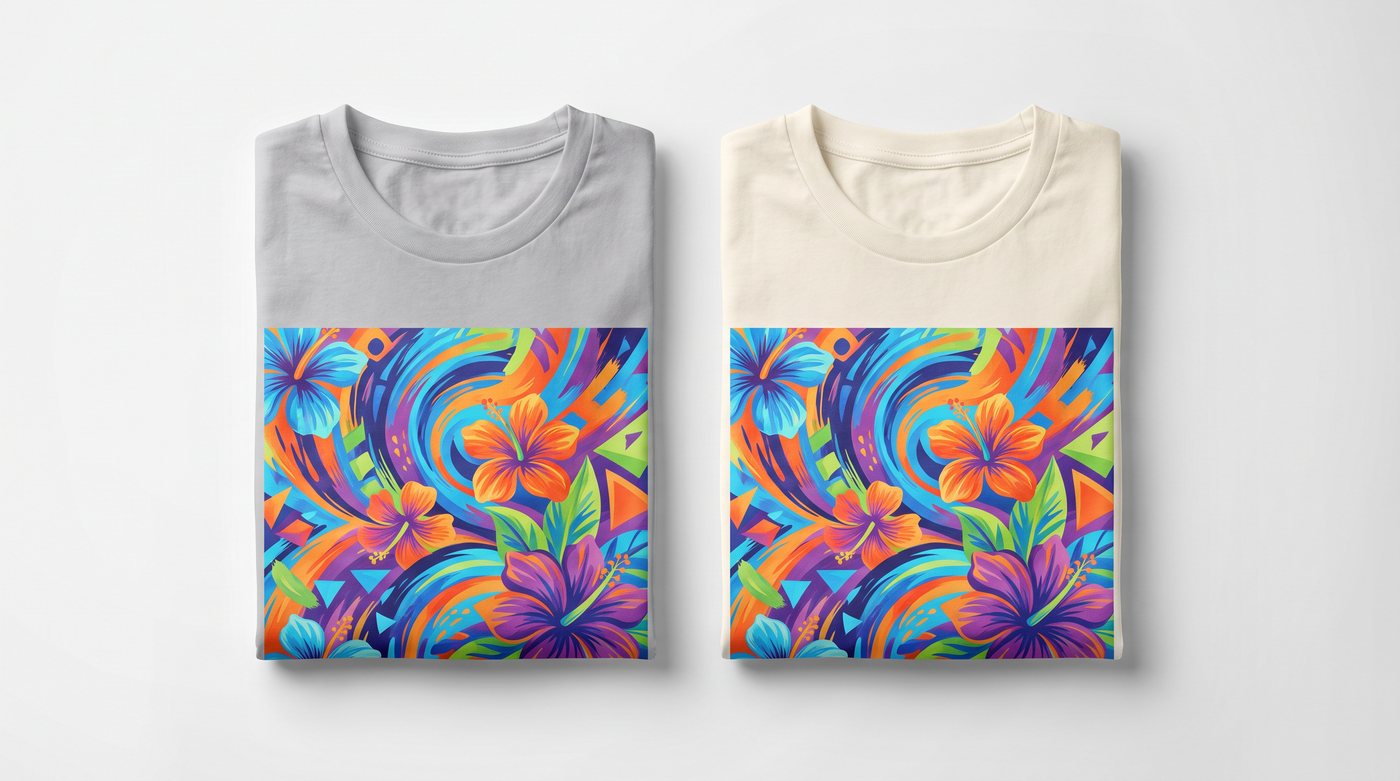
- DTF: print (CMYK + white) on film → apply hot-melt powder → cure → heat-press onto the garment. The design sits on top of the fabric as a thin, flexible layer. No pretreatment, no minimums.
- DTG: pretreat the garment → print ink directly into the fibers → cure. The ink soaks into cotton for a very soft feel, but needs pretreatment and cotton-rich fabric.
Head-to-head
| DTF | DTG | |
|---|---|---|
| Fabric range | Cotton, poly, blends, nylon, bags, hard goods | Best on 100% cotton / cotton-rich |
| Pretreatment | None | Required (esp. darks) |
| Feel / hand | Thin flexible layer on top | Softest — ink in the fibers |
| Durability | Excellent, 50+ washes when cured right | Very good on cotton |
| Color on darks | Vivid with white underbase | Good, but needs heavy pretreat |
| Entry cost | Lower | Higher (printer + pretreat gear) |
| Stock & ship transfers? | Yes — press on demand | No — print on the garment |
| Minimums | None (great for one-offs) | None |
When DTG makes sense
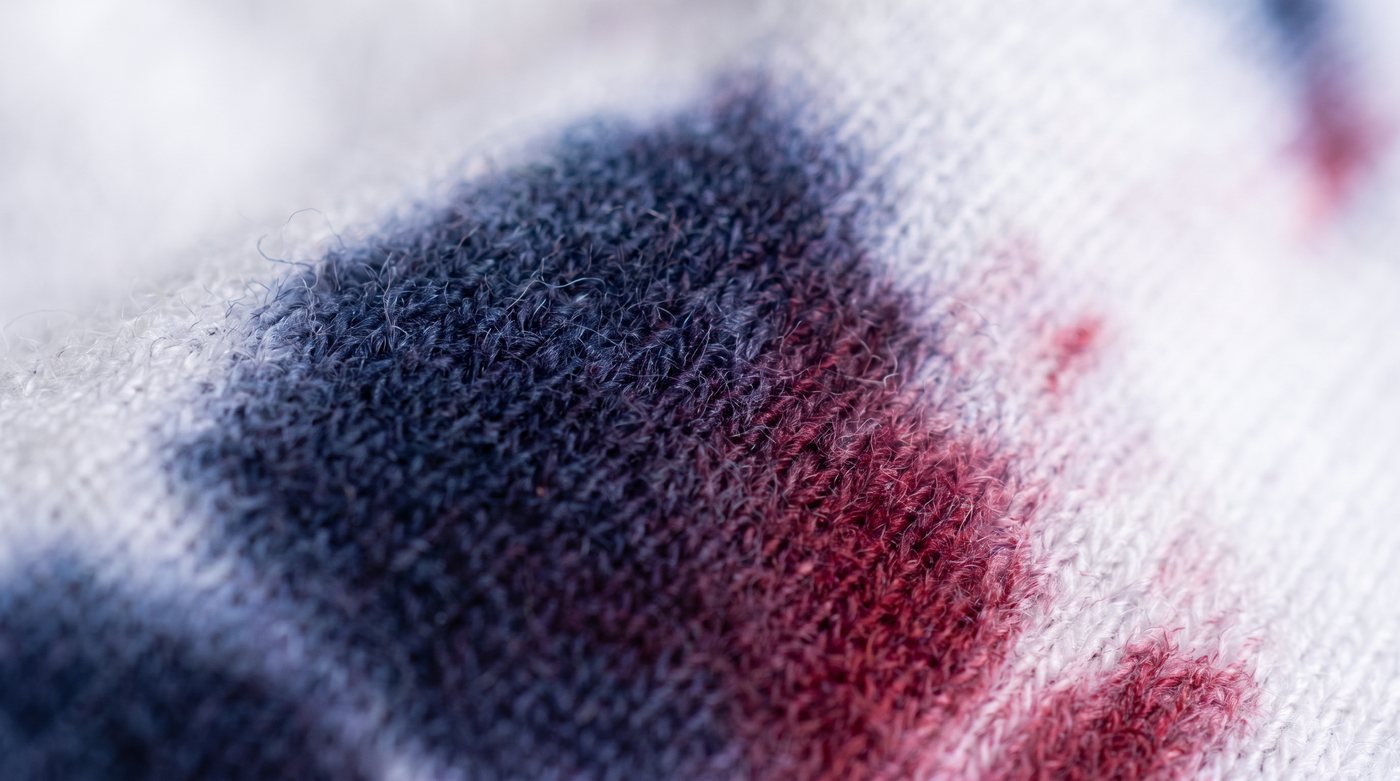
- You mainly print 100% cotton tees.
- You want the absolute softest hand and a “no-feel” print.
- You’re doing photorealistic art on light cotton where pretreatment is minimal.
When DTF wins
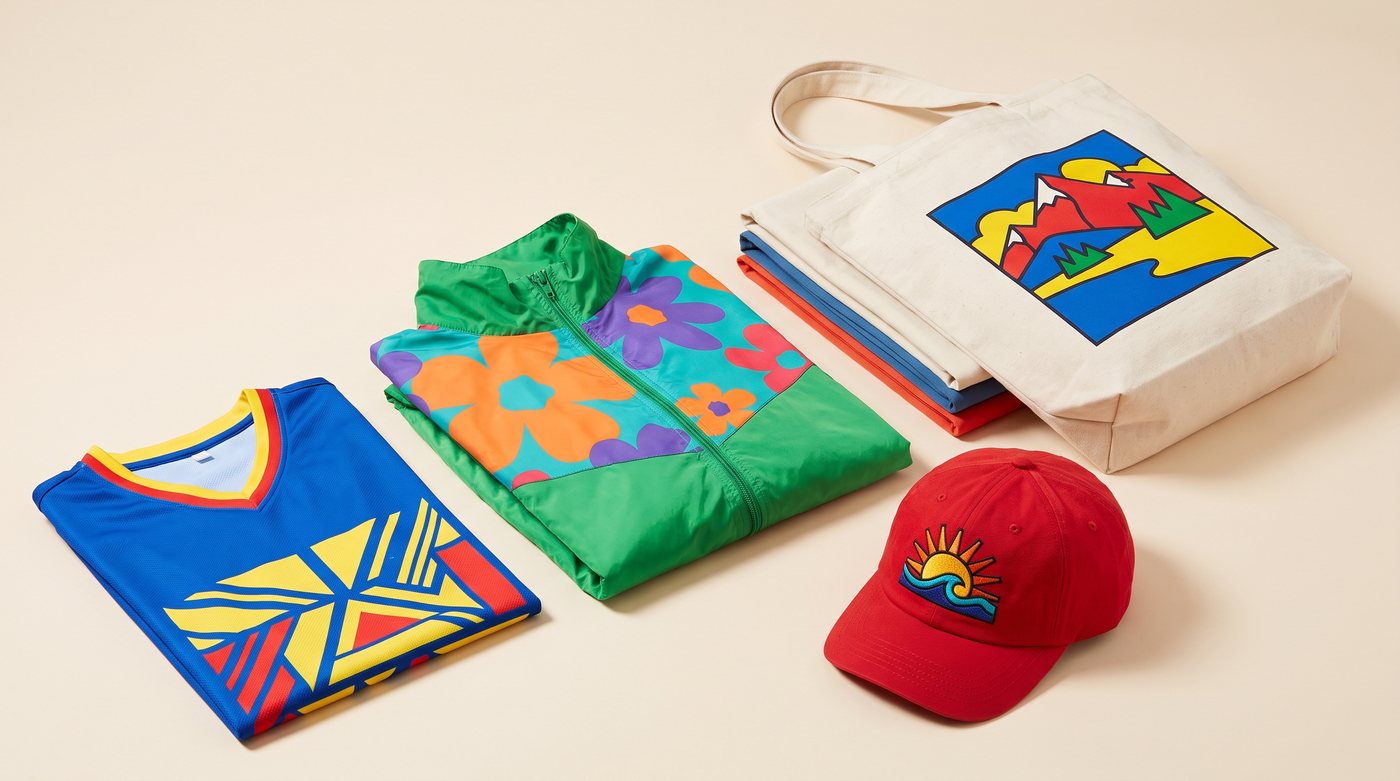
- You print on many fabric types — poly jerseys, blends, nylon, caps and bags.
- You want to print transfers in advance and press on demand (or sell gang sheets).
- You want lower startup cost and no pretreatment step.
- You need bright, opaque color on dark garments without heavy pretreat.
Can you do both?
Many shops do — DTG for premium soft-hand cotton runs, DTF for everything else and for stocking transfers. But if you’re choosing one to start, DTF’s versatility, lower entry cost, and ability to press ready-made transfers make it the easier, more flexible first machine.
DTF vs. other methods
Weighing more options? See DTF vs. screen printing vs. sublimation, or start with What Is DTF Printing? To price it out, read our pricing, profit & financing guide.
Ready to get started with DTF? Grab a starter setup, order ready-to-press gang sheets, or contact us and we’ll help you choose.