DTF, DTG, and UV printing all decorate products — but they work in completely different ways. Here’s a plain-English breakdown so you can pick the right method (and machine) for your business.
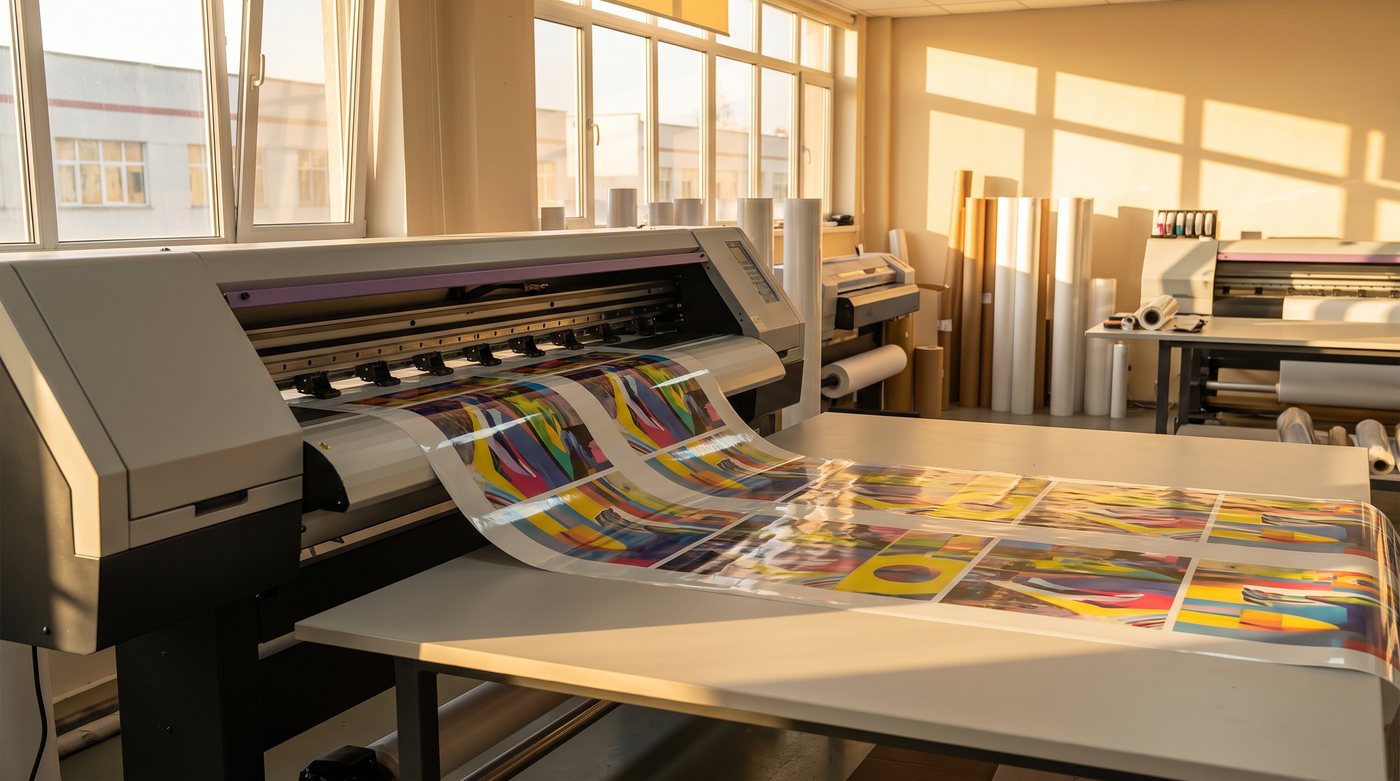
DTF — Direct-to-Film (what we specialize in)
You print your design onto a film, coat it with adhesive powder, cure it, then heat-press the transfer onto the garment. DTF uses water-based CMYK + white ink.
- Works on any fabric — cotton, poly, blends, nylon; light or dark.
- No pre-treatment and no minimums.
- Any size & gang sheets on wide rolls — built for volume.
- Make transfers now, press them later.
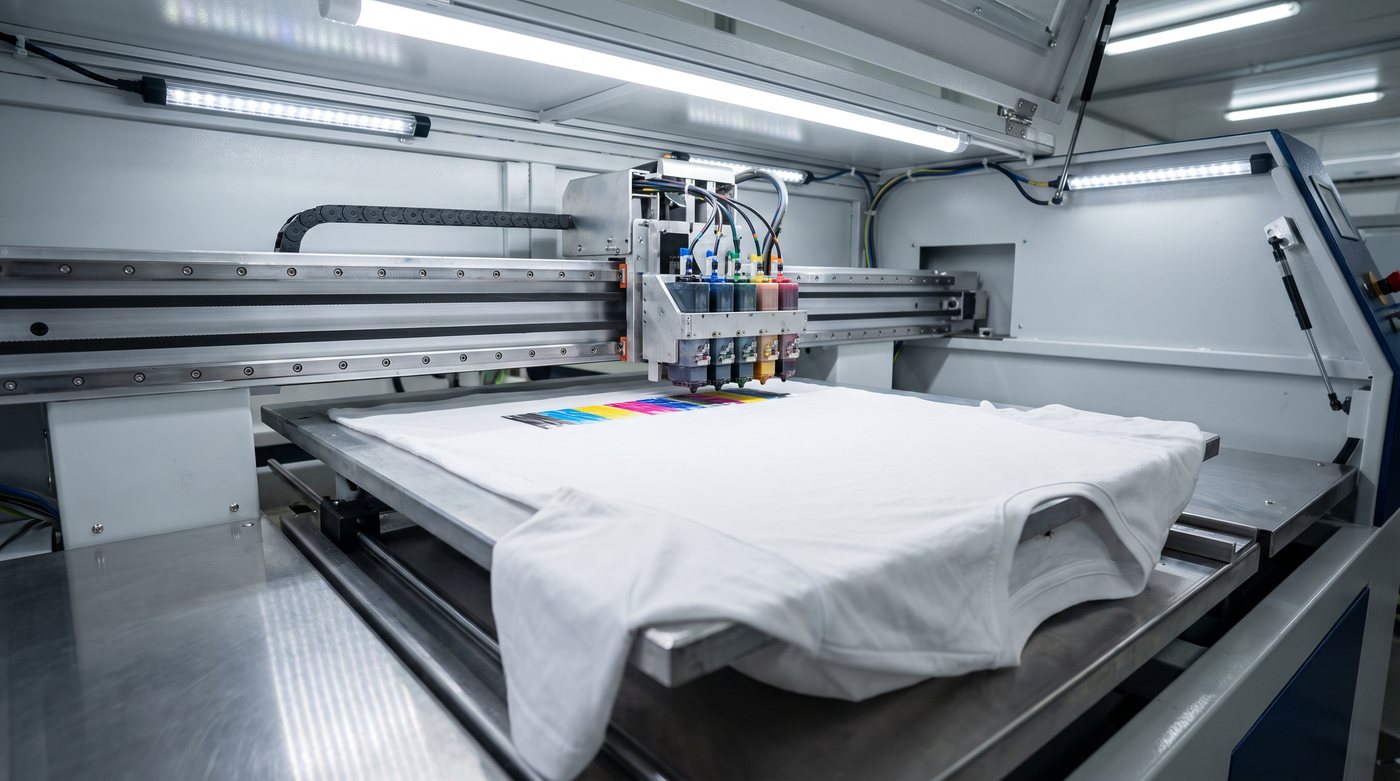
DTG — Direct-to-Garment
DTG prints ink directly onto the shirt (the garment loads into the printer), then you cure it. It needs pre-treatment (especially for darks), works best on 100% cotton, and prints one shirt at a time. Great for soft, photo-detailed prints on cotton — slower and more limited on fabric type and volume.
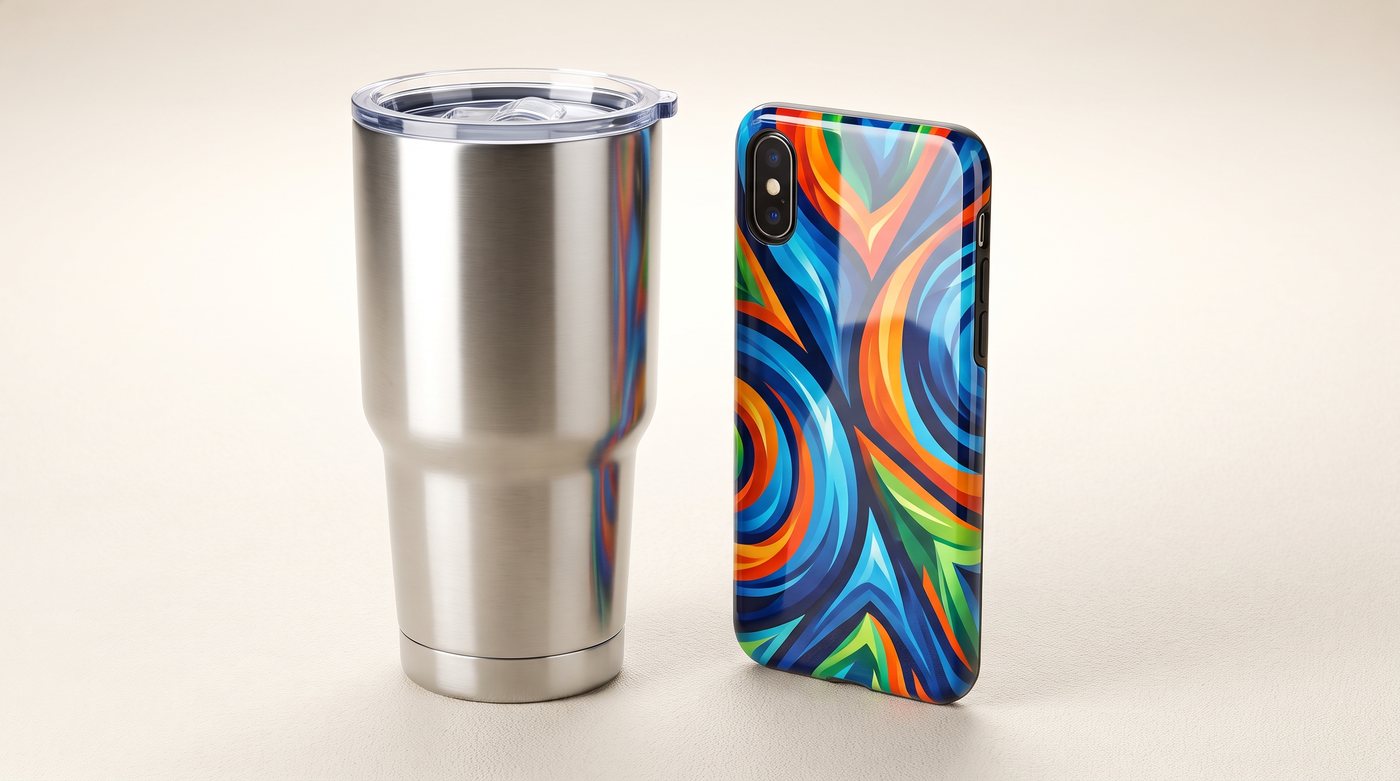
UV — Ultraviolet Printing
UV printers print UV-curable ink directly onto hard goods — tumblers, phone/laptop cases, acrylic, wood, metal, glass, signage — and cure it instantly with UV light (no heat, no powder). A clear varnish adds matte, gloss, or foil effects. UV DTF is a variation that makes peel-and-stick stickers for curved items. UV is a different ink and a different market (promo products, not apparel).
Quick Comparison
| DTF | DTG | UV | |
|---|---|---|---|
| Prints onto | Film → press to fabric | Directly on garment | Directly on hard goods |
| Ink | Water-based CMYK+W | Water-based (+ pretreat) | UV-curable + varnish |
| Cure | Powder + heat | Heat / dryer | Instant UV light |
| Heat press | Yes (film → shirt) | Cure only | No |
| Best for | Any fabric, volume | Cotton apparel | Rigid products & signage |
Which Should You Choose?
If you’re decorating apparel at any real volume, DTF wins — any fabric, any size, gang sheets, no pre-treatment. DTG suits cotton-only shops that want a hand-feel; UV is for a different business entirely (hard goods and promo items).
Time & Effort: How Much Work Is Each Method?
Cost matters, but so does labor — how many steps, how much hands-on time, and whether you can batch. Here’s how the methods really compare on effort:
| DTF | DTG | UV | UV DTF | |
|---|---|---|---|---|
| Pre-treatment | None | Required (spray + dry) — extra on darks | None | None |
| Workflow steps | Print film → powder → cure → press | Pretreat → print → cure | Place item → print → instant UV cure | Print film → laminate → peel & stick |
| Curing / finish | Powder melt + heat press | Heat / conveyor cure | Instant (UV light) | None — adhesive backing |
| Batchable? | Yes — gang many, press on demand | No — one shirt at a time | One item at a time | Print in batches, apply fast |
| Hands-on per piece | ~10–15 sec press (after transfers made) | Several minutes each | Varies — but no cure wait | Seconds to apply |
| Effort level | Moderate — but batchable | High — pretreat + slow, one at a time | Low–Moderate — fixturing odd shapes | Low — peel & stick |
What this means for a busy shop
- DTF is built for volume with the least labor per garment. You gang dozens of designs on one roll, print, powder, and cure them in a batch — then press each shirt in seconds, on demand. Make transfers today, press bulk orders tomorrow. That’s why big runs feel easy.
- DTG is the most labor-heavy per shirt. Every garment needs pre-treatment (messy, and mandatory on darks), then prints slowly one at a time — fine for a few cotton pieces, painful at volume.
- UV skips powder, pretreatment, and pressing, and cures instantly — but it prints hard goods one item at a time, and curved or odd shapes need jigs/fixtures, which adds setup effort.
- UV DTF is the easiest to apply (peel & stick, no heat), but adds a lamination step before you can use the transfer.
Bottom line on effort: for apparel at any real volume, DTF wins — batch the hard part, then press bulk orders fast. UV and UV DTF shine for hard goods, where their instant cure and peel-and-stick ease beat pressing. See our DTF Starr printers →
What Each Method Costs Per Print
Running cost depends on design size and ink coverage, but here are realistic ballparks:
| Method | Consumables | ~Cost per print |
|---|---|---|
| DTF | Water-based ink + adhesive powder + film | ~$0.50–$1.00 |
| DTG | Water-based ink + pre-treatment | ~$0.75–$2.00 (more on darks) |
| UV | UV ink + varnish (no powder) | ~$0.60–$1.50 |
Two things to remember: DTF cost is spread across a whole gang sheet (many designs per sheet), which keeps per-piece cost low at volume; and UV prints onto higher-ticket hard goods (a $25 tumbler vs. a $12 shirt), so a slightly higher per-print cost still leaves strong margins. And note UV uses no powder — that’s a DTF consumable; UV’s equivalent is the clear varnish (plus a laminate layer for UV DTF).
Ready to produce apparel the fast, flexible way? See our DTF Starr printers → or ask us which fits your shop.