Your prints are only as good as the ink and powder behind them — and both have a real shelf life. Store them well and they stay vibrant and adhesive for a year or more; neglect them and you’ll fight clogged heads, dull whites, and transfers that peel after a few washes. Here’s exactly how long our DTF inks and powder last, how to store them, and what to watch for.
How long does DTF ink last?
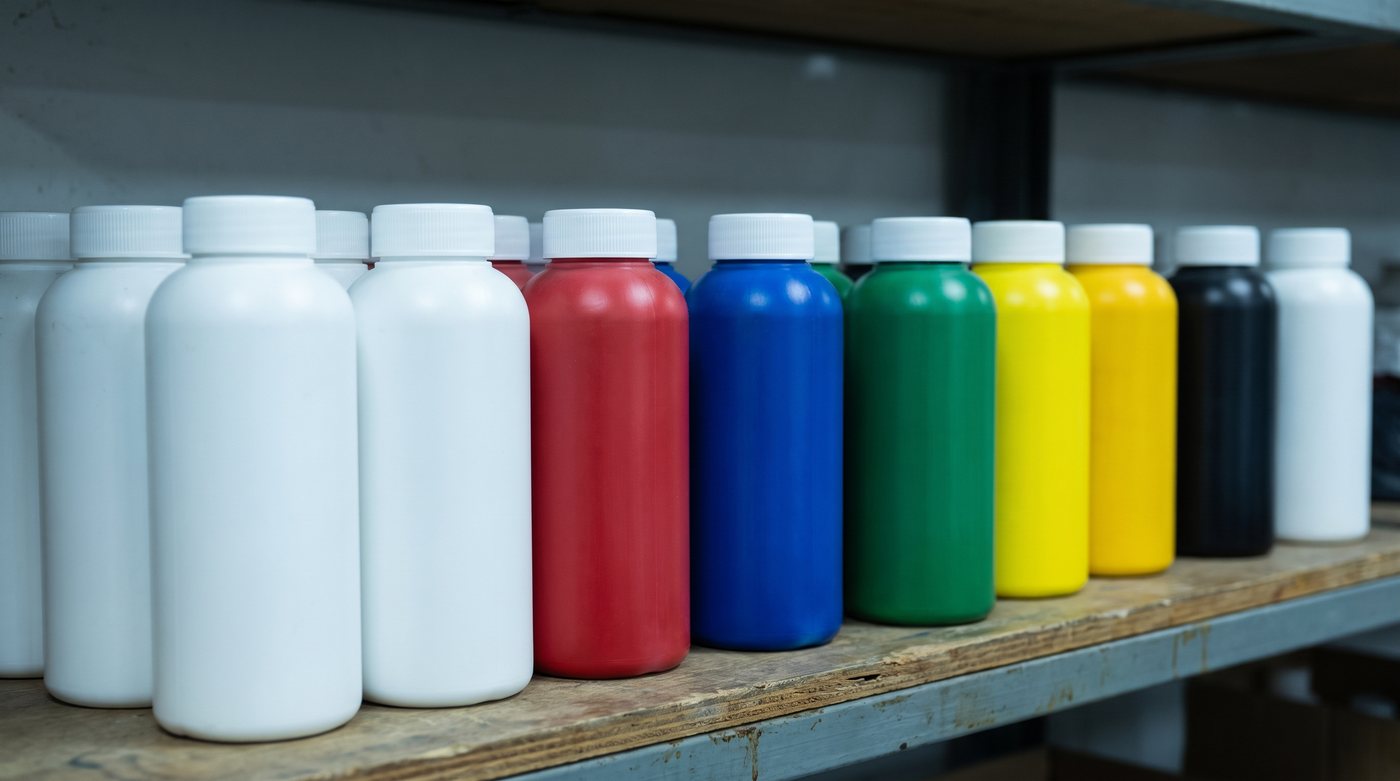
Our Ultra Bright DTF Starr Inks (CMYK) and Ultra Bright Premium White Ink are water-based pigment inks. Kept sealed and stored correctly:
- Unopened, sealed bottles: about 12 months from the manufacture date.
- Opened / in-use bottles: best used within 6 months.
- Ink already loaded in the printer: circulate and print regularly — don’t let it sit for weeks. Idle ink is the #1 cause of clogs.
Color inks (C, M, Y, K) are the most stable. White ink is the one to watch — see below.
White ink: the one that needs attention
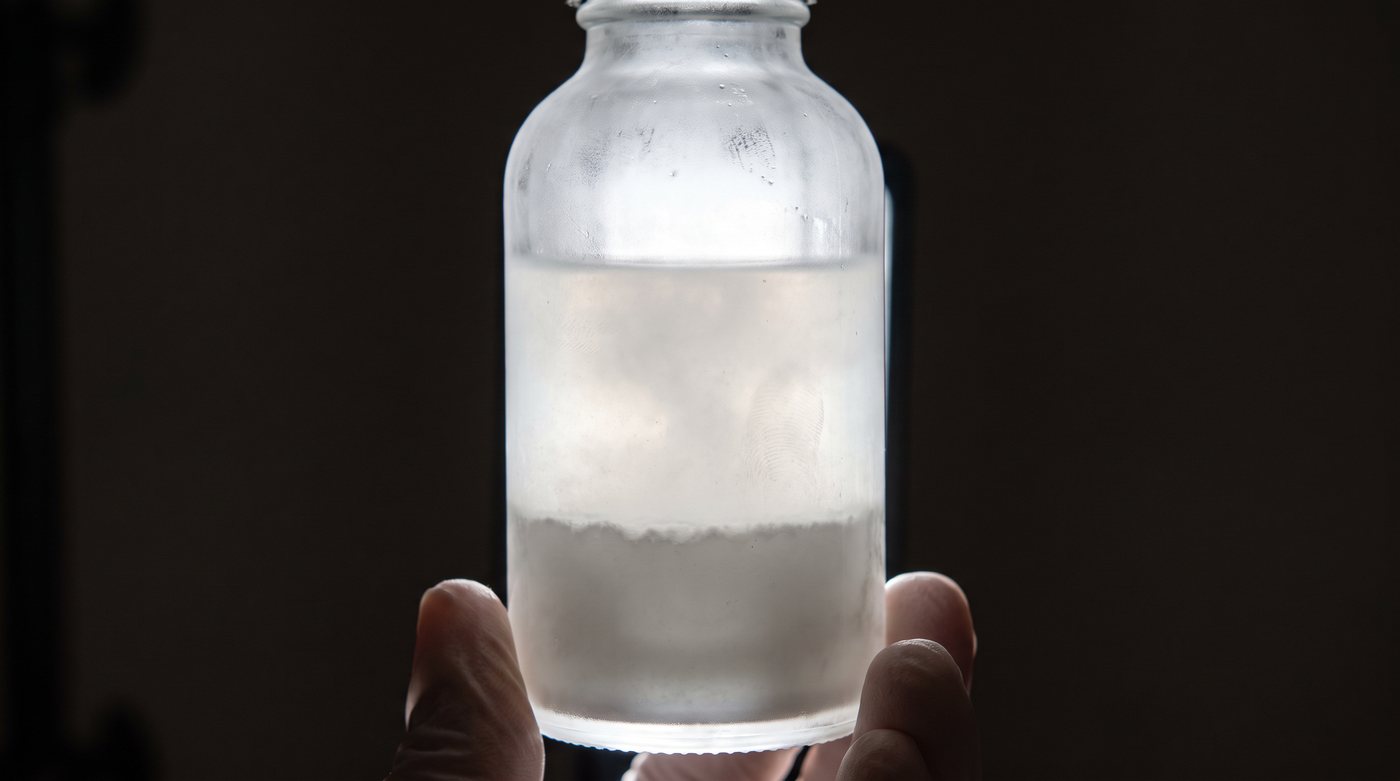
White ink carries a heavy titanium-dioxide pigment that naturally settles to the bottom of the bottle and the printer’s white channel. Left unmixed, it separates, prints thin and grey, and clogs the head. To keep it healthy:
- Shake sealed bottles gently before every top-up.
- Agitate the printer’s white system daily (our DTF Starr printers with white-ink circulation do this automatically).
- Run a nozzle check before each session and print a small white swatch to confirm full opacity.
How long does DTF powder last?
Our Ultra Melt Smooth Powder is a TPU hot-melt adhesive. It’s more forgiving than ink, but not indestructible:
- Sealed and dry: roughly 18–24 months.
- Opened: still good for a year or more if you keep it sealed and out of humidity.
- Its enemy is moisture. Powder that absorbs humidity clumps, spreads unevenly, and gives you rough, patchy adhesion.
How to store ink and powder
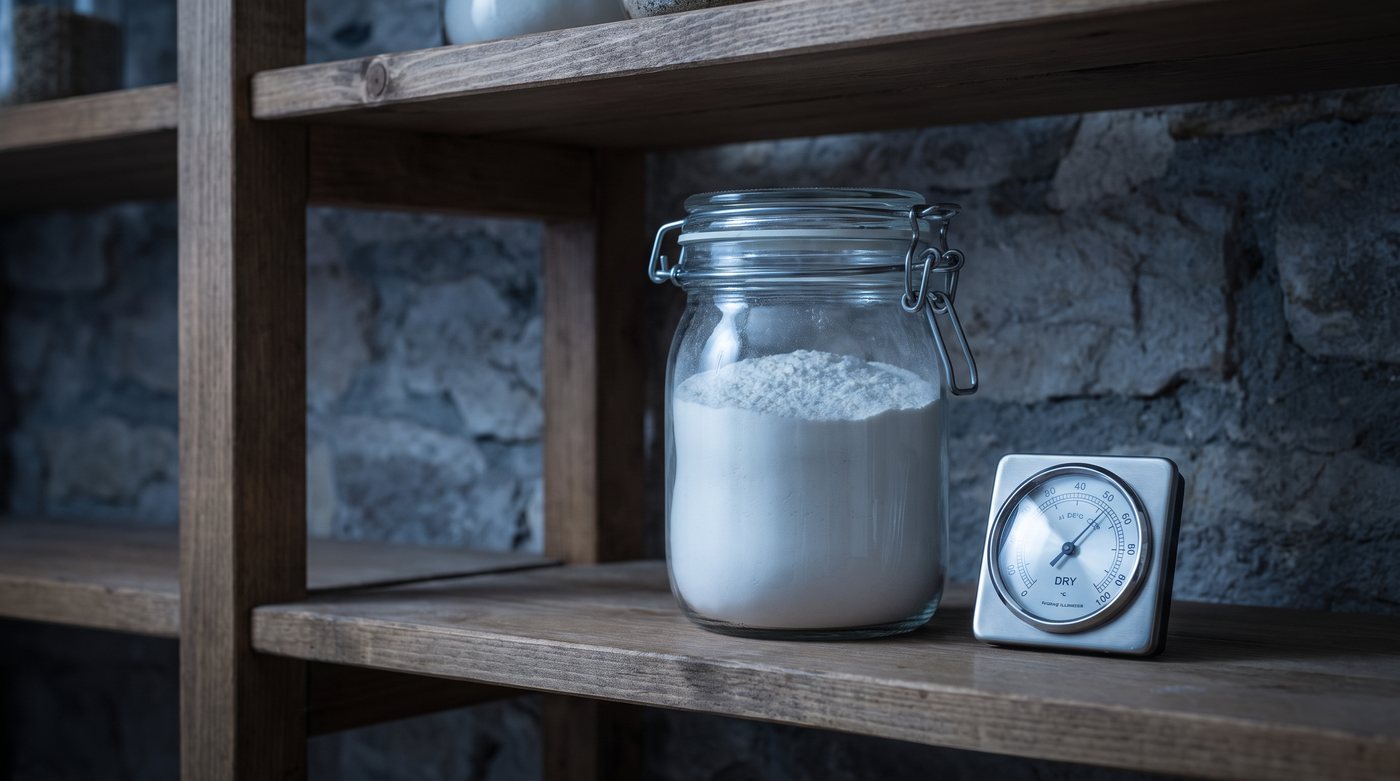
Both like the same conditions — cool, dark, dry, and sealed:
- Temperature: 10–30°C (50–86°F). Never freeze ink, and keep it away from heaters and direct sun.
- Humidity: aim for 40–60% RH. Keep powder in an airtight container with the lid closed between jobs.
- Light: pigment inks fade with UV — store bottles in a cabinet or box, not on a sunny shelf.
- Upright & labeled: store ink bottles standing up and note the open date so you use oldest stock first.
Signs your ink or powder has gone bad
- Ink: visible separation that won’t remix, a sour smell, sludge in the bottle, dull or shifted colors, or persistent clogging after cleaning.
- White ink: prints grey/translucent even after agitation and a fresh nozzle check.
- Powder: hard clumps, damp texture, or transfers that feel gritty and peel at the edges after pressing.
Daily & weekly maintenance checklist
- Daily: agitate white ink, run a nozzle check, and cap/park the head when you finish.
- Daily: reseal the powder container immediately after use.
- Weekly: run a head cleaning cycle, wipe the capping station, and check ink levels so channels never run dry.
- Ongoing: rotate stock — first in, first out — and keep the shop between 40–60% humidity.
What to watch out for
- Letting the printer sit idle — even a few days without printing invites white-ink clogs. Print a maintenance swatch if you’re not running jobs.
- Mixing brands — different ink chemistries can react and clog. Stick to one system.
- Under-curing powder — powder must fully melt (typically ~160°C for the recommended time). Under-cured transfers peel; over-cured ones get brittle.
- Humid storage — the fastest way to ruin good powder.
- Old stock — expired ink is a false economy; it wastes film, powder, and press time on prints that won’t last.
Treat your consumables well and they’ll reward you with bright, durable transfers wash after wash. Need fresh supplies? Shop our DTF inks and powder or contact us for setup and maintenance guidance.