Can DTF print on cotton?
What the video says
Can DTF print on cotton? Yes. And a lot more than cotton.
Polyester, blends, nylon, even fleece. One process covers your whole rack.
Light shirts or dark, the white ink underneath makes your design pop on anything.
Print on anything. Shop dtfpapercompany.com.
One of DTF’s biggest advantages is that it prints on almost anything — cotton, polyester, blends, nylon, even bags and hard goods. But each material has quirks. Push heat too high on polyester and you’ll scorch it; press nylon like cotton and it melts. Here’s how to get clean, durable transfers on the tricky stuff.
Why material matters
DTF bonds with heat and pressure, and different fabrics tolerate very different amounts of both. Synthetics are heat-sensitive and can scorch, shrink, or bleed dye. The fix is almost always lower temperature, shorter time, and firm pressure — plus a test press on a scrap first. Start from our heat-press settings guide and adjust per material below.
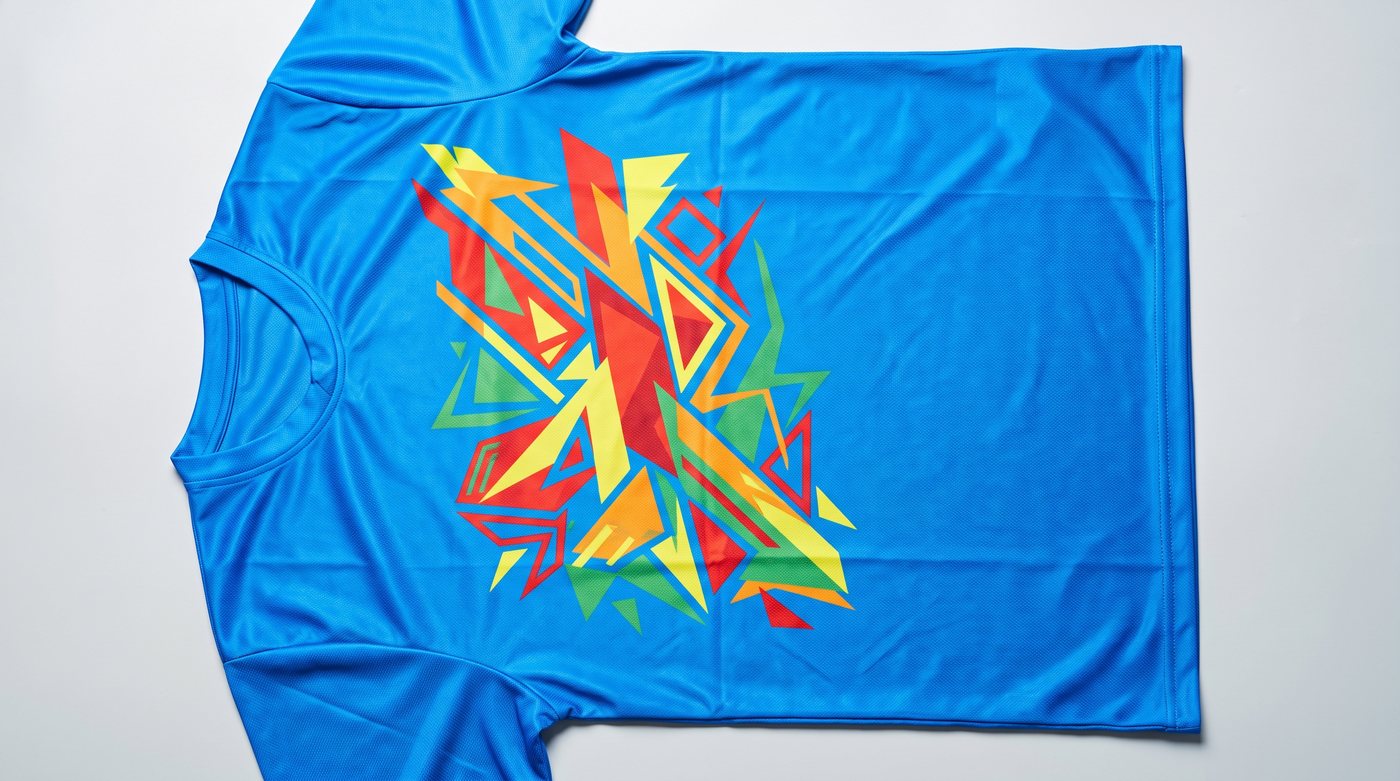
Polyester & performance wear
Poly scorches and suffers dye migration (the garment’s dye bleeds up into your print, tinting whites pink or grey) at high heat.
- Lower the temp to ~265–285°F and shorten the press time.
- Use firm pressure and a full post-press through parchment.
- Watch for dye migration on red/dark poly — low-temp films and a cool peel help.
- Always test on a scrap of the same garment.
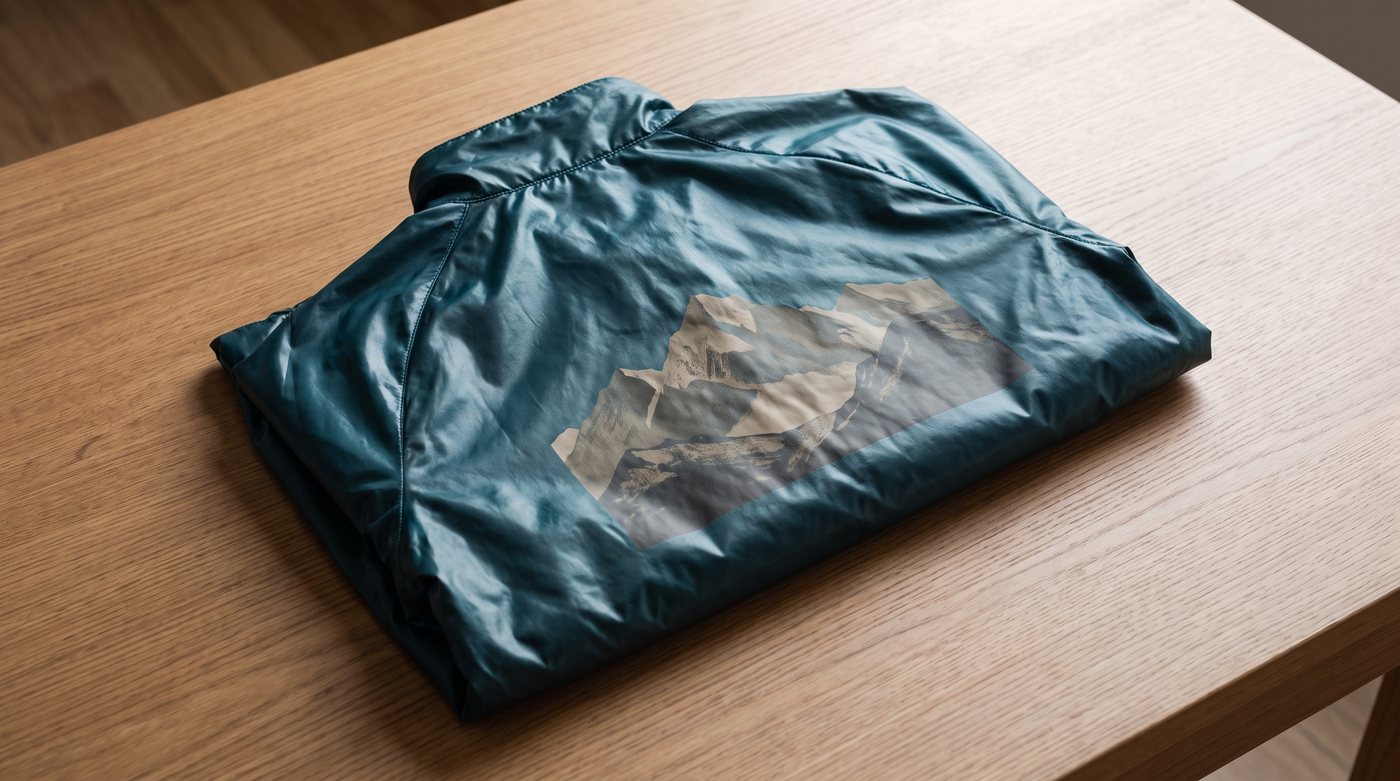
Nylon (jackets, bags, umbrellas)
Nylon is very heat-sensitive and slick.
- Drop to ~275°F, 8–10s, firm pressure.
- Pre-press briefly to flatten and remove moisture.
- Test first — some coated nylons resist adhesion and need a cooler, longer, gentler press.
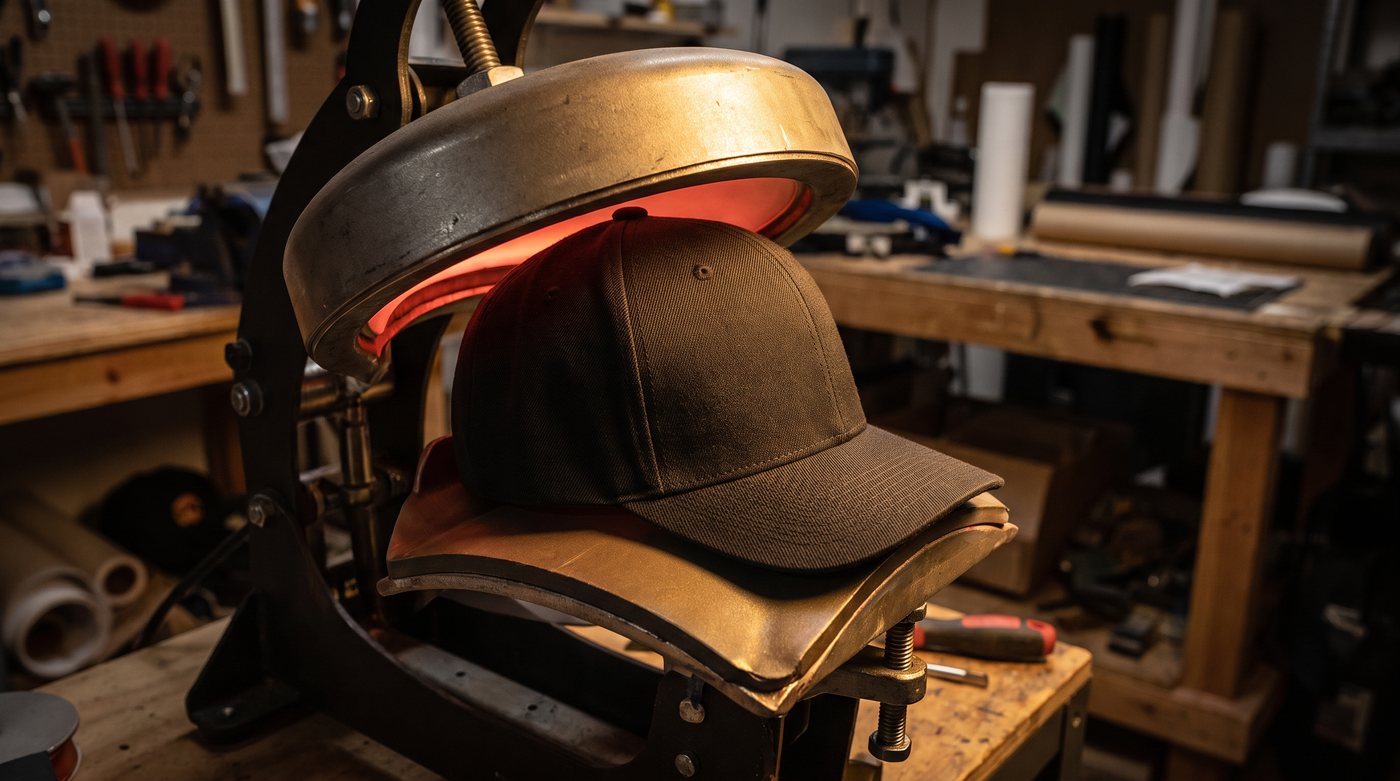
Caps & curved items
- Use a cap press or a heat-press pillow so pressure is even across the curve.
- ~300°F, 12–15s, firm.
- Keep designs sized to the flat panel so edges don’t lift on the curve.
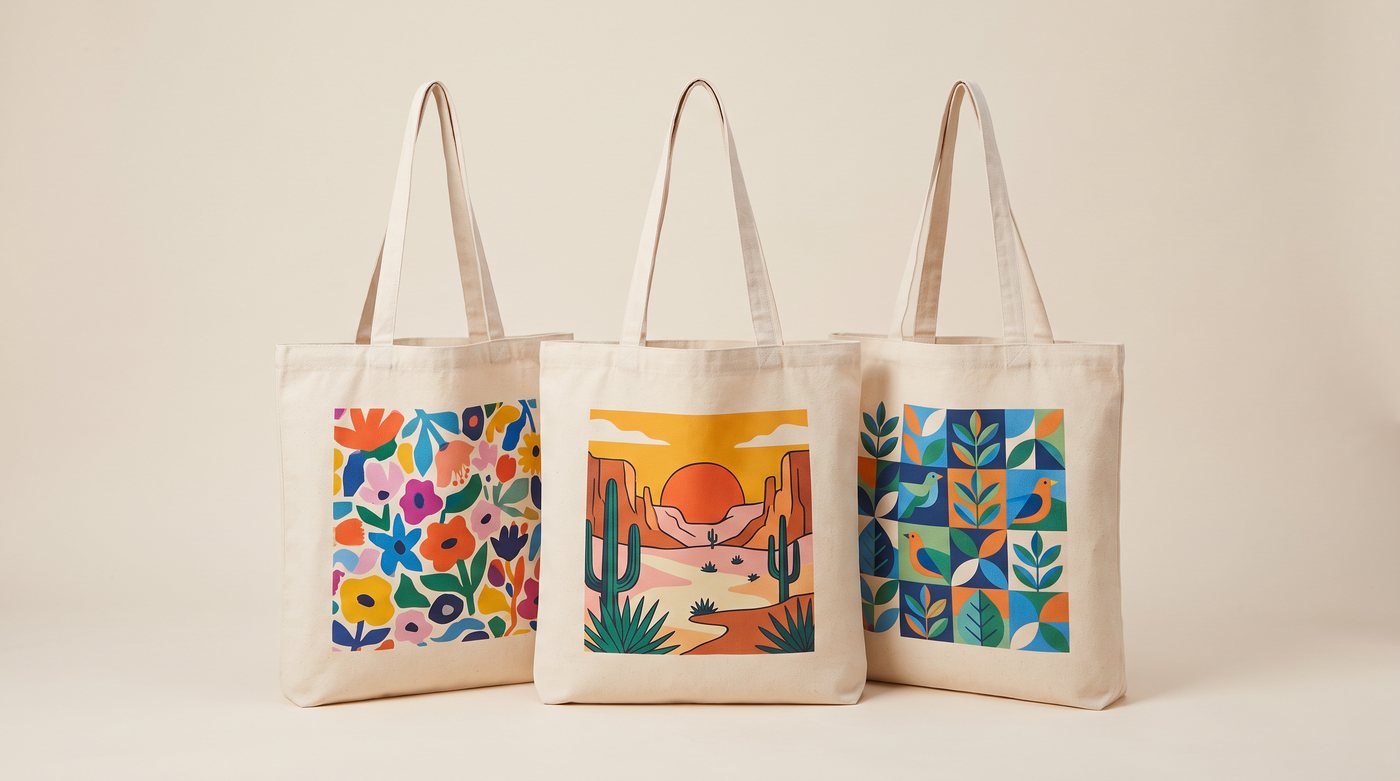
Tote bags, canvas & aprons
- Thick cotton canvas takes more heat: ~320°F, 15s, firm.
- Pre-press hard to flatten seams and remove moisture.
- Slip a sheet or cardboard inside double-layer bags so heat doesn’t wick away.
Blends, tri-blends & stretchy fabrics
- Split the difference: ~285–300°F, 10–12s.
- On stretchy athletic fabric, DTF flexes well — but keep coverage reasonable so the hand stays soft.
Hard goods (with UV/DTF films)
Specialty DTF and UV-DTF transfers can decorate mugs, tumblers, wood, acrylic, and metal. These use different application methods (often pressure/adhesive rather than a flat heat press) — ask us which film suits your substrate.
Golden rules for any tricky material
- Test on a scrap first — every time, on every new garment.
- Lower and slower beats hotter for synthetics.
- Firm, even pressure is non-negotiable.
- Always post-press and then run a wash test.
- Seeing scorch, bleed, or lifting? Check our troubleshooting guide.
Need films rated for low-temp or specialty substrates? Browse our supplies or contact us with your material and we’ll point you to the right transfer.